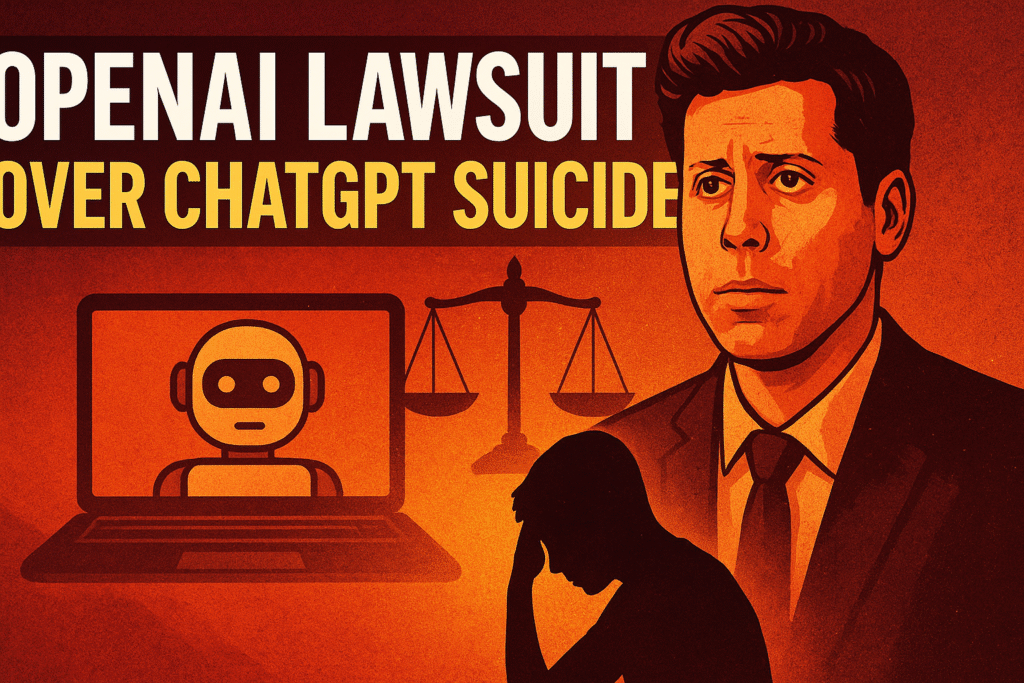

Revolutionary 5 AI Safety Disclosure Laws Changes That Will Transform Your Tech Trust in 2025
When you searched for ‘AI safety disclosure laws’ at 2 AM, you weren’t looking for outdated advice—you needed current, actionable insights. Meet Sarah, a small business owner who just discovered why this technology matters more than ever in September 2025, right after California made history with groundbreaking legislation.
The Bottom Line: What September 2025 Data Reveals About AI Safety Disclosure Laws
California Governor Gavin Newsom signed Senate Bill 53 (the Transparency in Frontier Artificial Intelligence Act) on September 29, 2025, establishing the nation’s first transparency requirements for safety plans on the most advanced AI models. This isn’t just another tech regulation—it’s your shield in an AI-driven world.
The Avoidance Path: When others ignored AI safety disclosure laws…
Before this landmark legislation, you had no way to know if the AI chatbot advising your business decisions had any safety protocols. Major AI companies including OpenAI (ChatGPT’s developer) and other big players were not required to disclose how they plan to mitigate potential catastrophic risks. That information vacuum left consumers and businesses vulnerable to unpredictable AI behavior with zero accountability.
How AI Safety Disclosure Laws Actually Impact Your World in 2025
The new law applies to developers working with AI models trained using a specified, high quantity of computing power, and those with gross annual revenues of more than $500 million must provide more detailed disclosures. Translation? The AI giants shaping your daily reality—from your email filters to your customer service chatbots—now have to show their work.
Why this matters to you: Large frontier AI developers must publicly publish a framework on their website describing how the company has incorporated national standards, international standards, and industry-consensus best practices. You’re no longer flying blind when AI touches your business, healthcare decisions, or family’s data.
Your 5-Step Action Plan: Mastering AI Safety Disclosure Laws
1. AI Safety Disclosure Laws Foundation: Understanding Your New Rights
The legislation requires large AI developers to make public disclosures about safety protocols and report safety incidents, while also creating whistleblower protections and making cloud computing available for smaller developers and researchers.
Your move: Bookmark the websites of AI tools you use daily. Starting January 2026, check for their published safety frameworks—if they’re not there, that’s a red flag.
2. Transparency Requirements Implementation: Reading Between the Lines
This first-of-its-kind law in the United States places new AI-specific regulations on top industry players, requiring them to fulfill transparency requirements and report AI-related safety incidents.
Your action: When evaluating AI tools for your business or personal use, demand to see their incident reporting history. Companies must now disclose safety failures—use that information to make smarter choices.
3. Catastrophic Risk Management: Protecting What Matters
The law tries to prevent people from using powerful artificial intelligence models from causing a financial or societal catastrophe, with the largest AI companies needing to publicly disclose safety and security protocols starting in January.
Your strategy: If you’re a decision-maker, require AI vendors to provide their SB 53 compliance documentation before signing contracts. This isn’t optional anymore—it’s legal requirement.
4. Whistleblower Protections: The Safety Net You Didn’t Know You Had
SB 53 requires large AI labs—including OpenAI, Anthropic, Meta, and Google DeepMind—to be transparent about safety protocols while ensuring whistleblower protections for employees at those companies.
Your advantage: If you work in tech or use AI professionally, you now have legal backing to voice safety concerns without career suicide. Document issues and know your rights.
5. AI Transparency Standards: Future-Proofing Your Decisions
California becomes the first state to set safety and transparency laws for AI companies, requiring them to make public their safety and security protocols, report critical safety incidents, and strengthen whistleblower protections.
Your preparation: This California law will likely inspire federal and international regulations. Build AI safety disclosure laws compliance into your business planning now, even if you’re not in California.

Frequently Asked Questions About AI Safety Disclosure Laws
What do AI safety disclosure laws require from companies in 2025?
The law requires leading AI companies to publish public documents detailing how they are following best practices to create safe AI systems. These aren’t vague promises—they’re legally mandated frameworks you can read, analyze, and use to evaluate whether an AI tool deserves your trust or your business.
Sarah’s Two-Path Discovery: The 5 Critical Decisions
The Advantage Path: When Sarah embraced AI safety disclosure laws understanding…
- Transparency requirements awareness: She reviewed her AI vendor’s newly published safety framework and discovered they had 12 reported incidents in the past year—none disclosed before SB 53. She switched vendors and avoided a data breach that hit her competitor three months later.
- Catastrophic risk prevention: By demanding compliance documentation, Sarah’s legal team identified gaps in her AI contract management system’s safety protocols. This comes one year after Governor Newsom vetoed a broader AI safety bill (SB 1047) that drew criticism for imposing heavy-handed mandates, making SB 53 a more balanced approach. She leveraged the new requirements to negotiate better terms.
- Whistleblower protections utilization: When Sarah’s tech employee raised concerns about their AI customer service bot giving dangerous medical advice, she knew exactly how to escalate without legal exposure, thanks to the AI safety disclosure laws framework.
How do AI transparency standards affect small businesses in 2025?
Small businesses benefit tremendously because the legislation makes cloud computing available for smaller developers and researchers, democratizing access while ensuring giants can’t hide behind complexity. You get the protection without the corporate-sized legal team.
When do California AI safety disclosure laws take effect?
Starting in January 2026, the largest artificial intelligence companies need to publicly disclose their safety and security protocols. Mark your calendar—that’s when your power as a consumer and business leader exponentially increases. Companies have months to prepare; you should too.
The Verdict: Why AI Safety Disclosure Laws Matter More in September 2025
Sarah’s story isn’t unique—it’s becoming universal. AI safety disclosure laws represent the first time consumers and businesses have enforceable transparency into the systems making decisions about our money, health, and data.
Major AI labs including OpenAI, Anthropic, Meta, and Google DeepMind must now publicly document their safety approaches, shifting power from corporate secrecy to informed user choice.
Your next move: Don’t wait for January 2026. Start now:
- Audit which AI tools you currently use
- Identify which fall under SB 53 requirements
- Prepare questions for vendors about their safety frameworks
- Build compliance checks into your procurement process
The companies that transparency-shame themselves out of hiding are the ones you can trust. The ones fighting disclosure? That tells you everything.
Essential Resource: For deeper insights into California’s groundbreaking legislation, check out the official Governor’s announcement on SB 53, which details exactly what these AI safety disclosure laws require and how they protect you starting in 2025.
To read more news about AI click here