Introduction: AI-generated video apps & creator rights
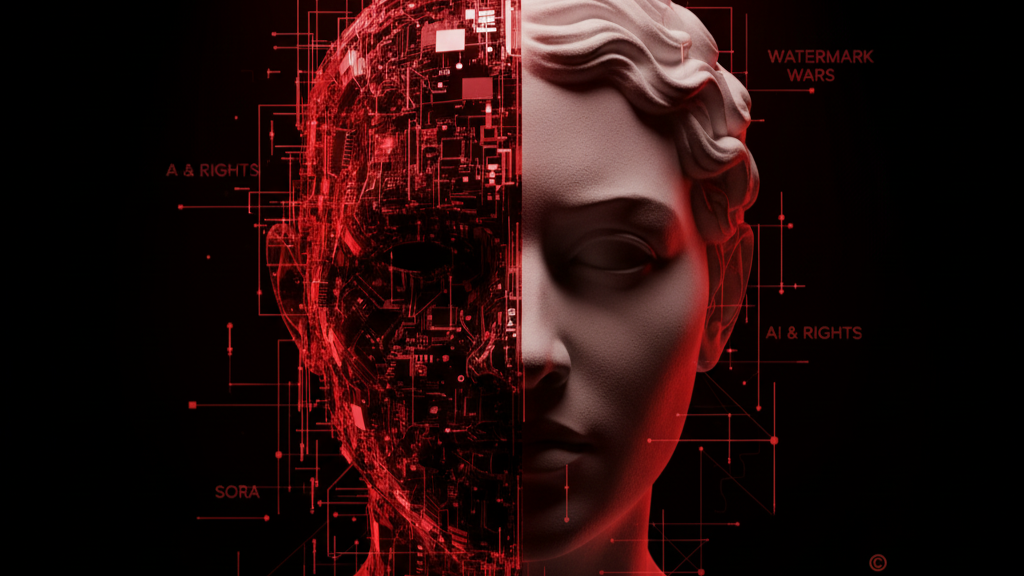
AI-generated video tools are rapidly reshaping the world of digital media. With the explosive growth of apps like OpenAI Sora, video creation has become faster, cheaper, and more accessible than ever. But this new capability also introduces major challenges involving creator rights, identity ownership, copyrighted characters, and watermark transparency. The surge in adoption, often referred to as the Sora momentum, has set the stage for what many analysts call the “watermark wars”.
This article explores how AI-generated video apps are evolving, why creator rights are at the center of a global debate, and how watermarking may determine the future of digital authenticity.
The Rise of OpenAI Sora and the New Wave of Video Generation
OpenAI’s Sora has become the fastest-growing AI-generated video platform thanks to its ability to:
- Produce cinematic, photorealistic or animated videos from text prompts
- Re-create a person’s likeness using a short video recording (“cameo” training)
- Remix and stitch multiple clips into complete storylines
Because Sora generates video content with minimal time and technical skill, it has opened the door for everyday users, marketers, influencers, filmmakers, and brands to produce professional-style video content instantly.
This revolution — known as the Sora momentum — is pushing the whole industry to adopt AI-driven video creation.
⚠ The Creator Rights Battle: Who Owns What in AI-Generated Videos?
The growth of AI video generation has raised fundamental questions:
| Issue | Concern |
|---|---|
| Likeness ownership | If AI can copy your face/voice, who controls it? |
| Copyright & characters | Can users generate videos using existing fictional IP? |
| Monetization | Do creators get paid if their characters are used in AI? |
| Consent | Should AI models rely on opt-in or opt-out systems? |
Many creators fear losing ownership over their image, characters, art style, and storytelling worlds. As AI video becomes mainstream, the question of digital identity protection is becoming a global priority.
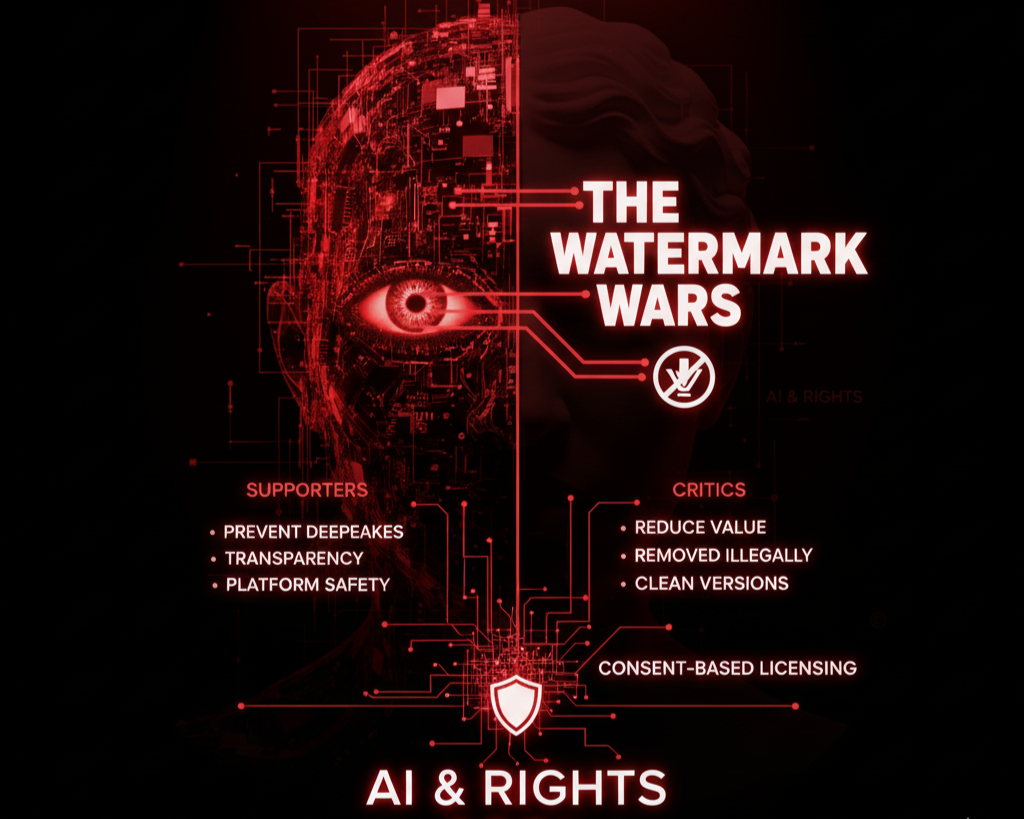
The “Watermark Wars”: Transparency vs. Creative Freedom
To address concerns about deepfakes, disinformation, and fake viral videos, most AI-generated video apps — including OpenAI Sora — now apply:
- Visible watermarks
- Invisible C2PA provenance signals
- Metadata that traces the source of AI content
These security features are meant to improve transparency. But they also spark controversy:
| Supporters argue | Critics argue |
|—|—|
| Watermarks prevent deepfake abuse | Watermarks reduce production value |
| Audiences deserve to know what is AI-generated | Watermarks may be removed illegally anyway |
| Provenance helps platforms detect AI misinformation | “Clean” versions should be allowed for legitimate creators |
This conflict between verification and aesthetics has become known as the watermark wars — a defining issue for the next era of AI video.
Consent-Based Likeness Licensing: A Possible Future Standard
To protect creators and users, many experts predict a consent-based licensing economy, where:
- A person or studio gives explicit permission to use their likeness or character
- Their digital persona becomes licensable inside AI video engines
- They receive royalties when used by others
This model could:
✔ Allow creators to monetize their characters
✔ Protect users from unauthorized deepfakes
✔ Establish new business models for filmmakers, animators, and artists
The industry is slowly moving toward this system — but global consistency and policy enforcement are still missing.
Why This Debate Matters for Digital Creators
AI-generated video apps are not just tools — they redefine the power structure of digital entertainment:
- Anyone can now produce “studio-level” video
- Traditional creators must protect their identities and IP
- Platforms must balance innovation with safety
- Governments are preparing regulations for AI-generated media
Whether you are a filmmaker, influencer, designer, developer, entrepreneur, or marketer, the outcome of these battles will influence how you create and publish content.
Conclusion
The rise of AI-generated video apps & creator rights is shaping a brand-new digital era. OpenAI Sora has accelerated this transformation, but it has also exposed the urgent need for:
- Digital identity protection
- Consent-based licensing ecosystems
- Transparent watermarking without harming creativity
The coming years will determine whether AI becomes a threat to creative ownership — or the foundation of a new economy where human creativity and AI generation coexist fairly.
FAQ’s
1. What are AI-generated video apps?
These are tools that create video content using artificial intelligence from text prompts, images, or user likeness recordings — without traditional filming or editing.
2. Why are creator rights a big issue in AI video generation?
Because AI can copy faces, voices, and copyrighted characters. Without regulation, creators risk losing control over their identity and intellectual property.
3. What does “watermark wars” mean?
It refers to the debate over watermarking AI-generated content — balancing transparency and safety vs. giving creators clean, cinematic output.
4. What is OpenAI Sora momentum?
It describes the rapid rise of the Sora AI video generator as it becomes widely used for filmmaking, marketing, storytelling, and influencer content.
5. Will AI eventually replace traditional video creation?
Not fully — AI will automate some tasks but humans will remain essential for storytelling, branding, character development, and emotional impact.
You can also read more about this subject from here
To read more news about technology click here
And to read more about AI click here