

Revolutionary 7 Amazon AI-First Devices That Will Transform Your Smart Home Experience in 2025
When you searched for ‘Amazon AI-first devices’ last night, you weren’t looking for another product announcement—you needed to understand whether this technology shift actually matters for your home. Meet Sarah Chen, a working parent who just discovered why Amazon’s September 2025 device lineup represents more than incremental upgrades—it’s a fundamental reimagining of how your home thinks, responds, and anticipates your needs.
The Bottom Line: What September 2025 Data Reveals About Amazon AI-First Devices
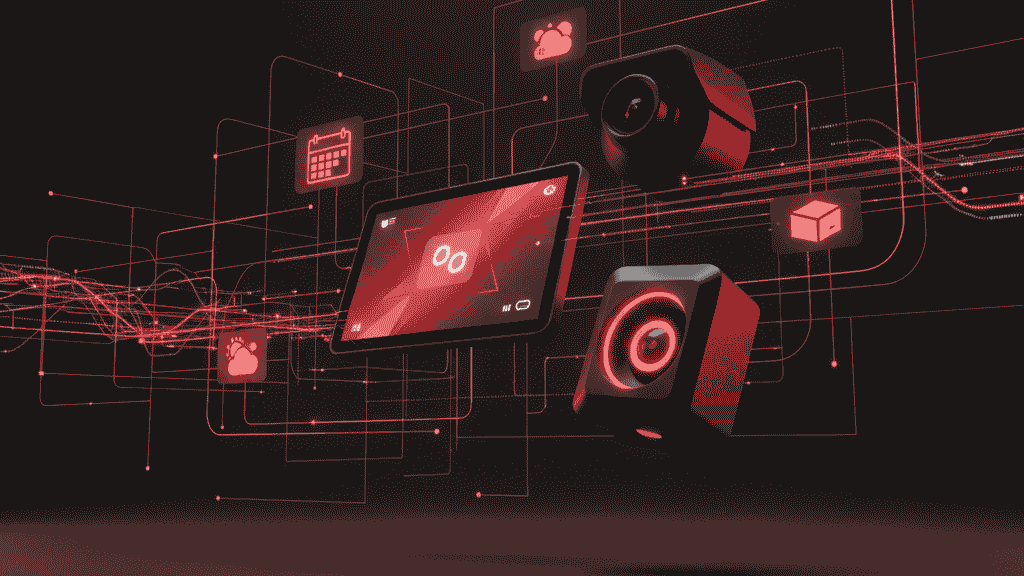
Amazon announced four new Echo devices built from the ground up for Alexa+, featuring custom designed silicon and an Omnisense sensor fusion platform that enables smarter, more personalized, and proactive experiences. The lineup includes the Echo Dot Max, Echo Studio, Echo Show 8, and Echo Show 11—each engineered with enhanced processing power, memory, and edge-based computing specifically for generative AI capabilities.
Currently, 42-45% of U.S. households own at least one AI-powered smart home device, but the gap between basic voice commands and truly intelligent home automation has remained frustratingly wide—until now.
The Avoidance Path: When others ignored Amazon AI-first devices…
Sarah’s neighbor stuck with his 2022 Echo devices, assuming voice assistants had peaked. He still manually checks multiple apps for calendar conflicts, spends 10 minutes browsing streaming services, and misses package deliveries because his old system can’t intelligently summarize Ring footage. His “smart” home remains decidedly dumb.
How Amazon AI-First Devices Actually Impact Your World in 2025
The AI in smart home technology market was valued at USD 12.7 billion in 2023 and is predicted to reach USD 57.3 billion by 2031 at a 21.3% compound annual growth rate. This explosive growth reflects a fundamental shift: your home is evolving from reactive command-follower to proactive household member.
Millions of customers with Early Access to Alexa+ are talking to their devices over twice as much, having deeper conversations on any topic, and relying on the assistant to complete more tasks like controlling smart home devices, booking reservations, and helping navigate the family calendar. The difference between traditional voice assistants and Amazon AI-first devices isn’t just incremental—it’s transformational.
The new Alexa+ platform doesn’t simply respond to commands; it understands context, anticipates needs, and completes multi-step tasks autonomously. Alexa+ can order groceries, call an Uber, find and book a repairman, send text messages, go to websites, and complete tasks for users—functionality that bridges the gap between voice assistant and digital personal assistant.
Your 7-Step Action Plan: Mastering Amazon AI-First Devices
1. Amazon AI-First Devices Foundation: Choose Your Entry Point
The Echo Show 8 and Echo Show 11 serve as command centers for your smart home upgrade. These devices combine in-cell touch and negative liquid crystal design with 13-megapixel cameras that allow Alexa to recognize when you walk up to the device, greet you, and show you the information you want. Start with a display model if you value visual feedback and family organization features.
For audio-focused spaces, the new Echo Studio delivers premium sound in a package that’s 40% smaller than the original while supporting spatial audio and Dolby Atmos for a true surround sound experience.
2. Smart Home Integration: Leverage Built-In Hub Capabilities
Every new Amazon AI-first device includes a built-in smart home hub with support for Zigbee, Matter, and Thread to control thousands of compatible smart home devices. This eliminates the need for separate hub hardware and creates a unified control ecosystem.
Action step: Inventory your existing smart devices and verify compatibility. The Matter protocol support means future-proofing—devices from different manufacturers will communicate seamlessly through your Amazon AI-first devices.
3. Conversational AI Optimization: Train Alexa+ On Your Routines
A new Alexa+ feature enables customers to share a wide range of documents with the assistant, from emails and manuals to family recipes and study materials, with Alexa+ extracting and recalling relevant information from these documents and providing helpful summaries.
Feed your Amazon AI-first devices context about your life: school schedules, favorite restaurants, dietary restrictions, work patterns. The AI learns and adapts, making every interaction smarter than the last.
4. Visual Intelligence: Activate Recognition Features
The 13-megapixel cameras in Echo Show models aren’t just for video calls. Alexa recognizes when you walk up to the device, greets you, and shows you the information you want, including intelligent summaries of your Ring video footage. This ambient AI fades into the background while actively enhancing your home security and convenience.
5. Entertainment Control Center: Centralize Your Media
The new media control center puts all your entertainment options at your fingertips, allowing you to browse music, ambient sounds, podcasts, and books in dedicated pages, play content with a single tap, and easily manage playback across multiple devices.
For live TV and sports fans, Alexa+ can provide real-time updates, scores, and player statistics related to the event being watched, with capabilities extending to Prime Video’s X-Ray feature for actor information or filming locations.
6. Health & Wellness Tracking: Connect Wearable Devices
Amazon is working with Oura to help achieve health and wellness goals—when you connect your Oura account, Alexa can provide personalized suggestions like getting in a quick workout based on your schedule or nudging you when you’re nearing your optimal sleep window, with more partners including Withings and Wyze coming soon.
This integration transforms Amazon AI-first devices from home automation tools into holistic wellness assistants.
7. Shopping & Home Organization: Automate Daily Essentials
The new Alexa+ shopping widget lets you keep track of your Amazon, Whole Foods, and Amazon Fresh shopping activities in one place—from tracking deliveries to reordering everyday essentials with a simple tap or voice command. The AI learns your consumption patterns and proactively suggests reorders before you run out.
Frequently Asked Questions About Amazon AI-First Devices
What makes Amazon AI-first devices different from previous Echo generations?
The new Echo devices deliver more processing power, memory, edge-based computing, and advanced sensing capabilities with custom designed silicon specifically built for Alexa+, enabling ambient AI experiences that fade into the background of daily life. Previous generations responded to commands; these new Amazon AI-first devices anticipate needs, complete multi-step tasks autonomously, and learn from every interaction through generative AI capabilities.
Can Amazon AI-first devices control smart home products from different brands?
Yes—emphatically. Each new Echo device includes a built-in smart home hub with support for Zigbee, Matter, and Thread protocols to control thousands of compatible smart home devices. The Matter protocol specifically ensures cross-brand compatibility, meaning your Philips lights, Samsung appliances, and Google Nest thermostat can all communicate through your Amazon AI-first devices without friction.
Do Amazon AI-first devices work without Prime membership?
Alexa+, the generative AI-powered personal assistant, is free with Prime membership. The devices themselves function with basic Alexa capabilities for all users, but the transformative Alexa+ features—including agentic task completion, document understanding, and advanced conversational AI—require Prime membership. Consider this when calculating the true cost of ownership.
Sarah’s Two-Path Discovery: The 4 Critical Decisions
The Advantage Path: When Sarah embraced Amazon AI-first devices…
- Enhanced Processing Power: Her Echo Show 11’s custom silicon and enhanced sensing abilities enabled faster, more personalized, and proactive interactions that eliminated her morning routine chaos. The device now recognizes family members, greets them individually, and displays personalized information—Sarah sees her work calendar, her husband sees traffic conditions, their daughter sees her school schedule.
- Ambient Intelligence: The devices’ advanced sensing capabilities created ambient AI experiences that faded into the background while actively managing the household. Sarah stopped actively managing her home and started living in it. The Amazon AI-first devices handle temperature adjustments, lighting transitions, and security monitoring without constant input.
- Agentic Task Completion: Alexa+ booked a repairman when the dishwasher malfunctioned, ordered groceries when pantry staples ran low, and called an Uber when Sarah’s car battery died—all through natural conversation without Sarah navigating multiple apps or websites.
- Family Organization: The new color-coded calendars made tracking family activities effortless, while Alexa helped manage scheduling conflicts and organized to-do lists by assigning tasks to different family members. What once required a Sunday evening planning session now happens seamlessly throughout the week.
Are Amazon AI-first devices worth upgrading from older Echo models?
The value equation depends on your current pain points. If you’re frustrated by your smart home’s lack of true intelligence, tired of managing multiple apps, or seeking genuine household automation rather than just voice commands, Amazon AI-first devices deliver transformational value. Early Access users talk to Alexa+ over twice as much and rely on it to complete significantly more tasks—indicating genuine utility expansion rather than incremental improvement.
For users satisfied with basic timer-setting and music playback, older models remain adequate. But buyers under 35 are 2.1 times more likely to walk away from a listing that lacks smart capabilities, suggesting that staying current with Amazon AI-first devices may impact future home resale value.
How does the Echo Studio compare to traditional premium speakers?
The new Echo Studio is 40% smaller than the original while delivering deep, immersive bass through a powerful high-excursion woofer and three optimally placed full-range drivers, with support for spatial audio and Dolby Atmos. At this size-to-performance ratio, you won’t find comparable audio quality in traditional smart speakers.
The differentiator isn’t just sound—it’s intelligent audio adjustment that adapts to room acoustics automatically and seamless integration with Amazon AI-first devices for multi-room audio managed through natural conversation rather than app menus.
The Verdict: Why Amazon AI-First Devices Matter More in 2025
Sarah’s story isn’t unique—it’s representative of a broader technology inflection point. The global smart device market is dominated by smart lighting systems (26%), security cameras (23%), smart speakers (19%), smart TVs (14%), and other smart devices (18%), but until now, these devices existed in isolated silos requiring constant manual coordination.
Amazon AI-first devices don’t just control your home—they understand it. The shift from reactive voice commands to proactive ambient intelligence represents the fulfillment of smart home promises made a decade ago but never fully delivered.
The question isn’t whether Amazon AI-first devices represent the future—with smart home market forecasts showing annual growth rates of 10.2% through 2028 and an estimated 77.05 million smart homes in the US by 2025, that future is already here. The question is whether you’ll lead the adoption curve or scramble to catch up when these capabilities become baseline expectations.
For Sarah, the decision came down to this: she could continue managing her home through a patchwork of disconnected apps and simple voice commands, or she could let Amazon AI-first devices handle the mental load while she reclaimed hours each week for what actually matters.
She chose the latter. Her home didn’t just get smarter—her life got simpler.
Essential Resource: For comprehensive technical specifications and purchase options, explore the official Amazon devices page at https://www.aboutamazon.com/news/devices/amazon-new-echo-devices-alexa-plus
To read more news about AI click here