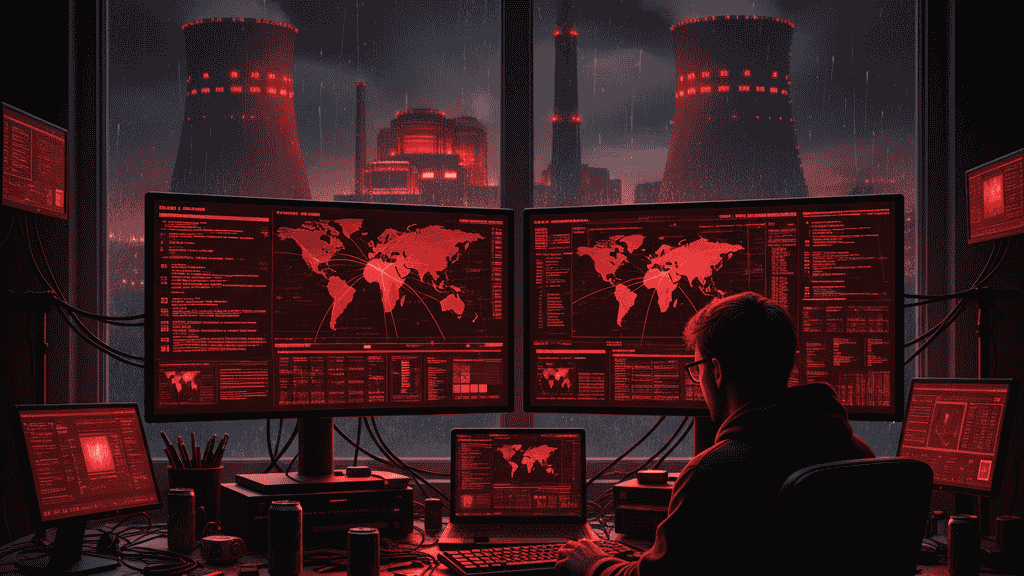
When you searched for ‘cyber attack nuclear power’ at 2 AM, you weren’t looking for outdated advice—you needed current, actionable insights. Meet Sarah, a regional energy consultant who just discovered why cyber attack nuclear power threats matter more than ever in 2025, after reading about recent dark web listings for nuclear facility access and multiple DDoS attacks on European nuclear plants.
The Bottom Line: What 2025 Data Reveals About Cyber Attack Nuclear Power
The cyber attack nuclear power landscape has changed dramatically. Ransomware attacks targeting energy and utilities sectors increased by 80% in 2024, with nuclear facilities becoming prime targets. Dark web intelligence now reveals leaked databases from nuclear agencies in Malaysia and the Emirates, VPN access to Greek nuclear facilities, and successful attacks on Belgian nuclear plants. You’re not being paranoid—the cyber attack nuclear power threat is real and accelerating.
Sarah’s Two-Path Discovery: The 5 Critical Decisions
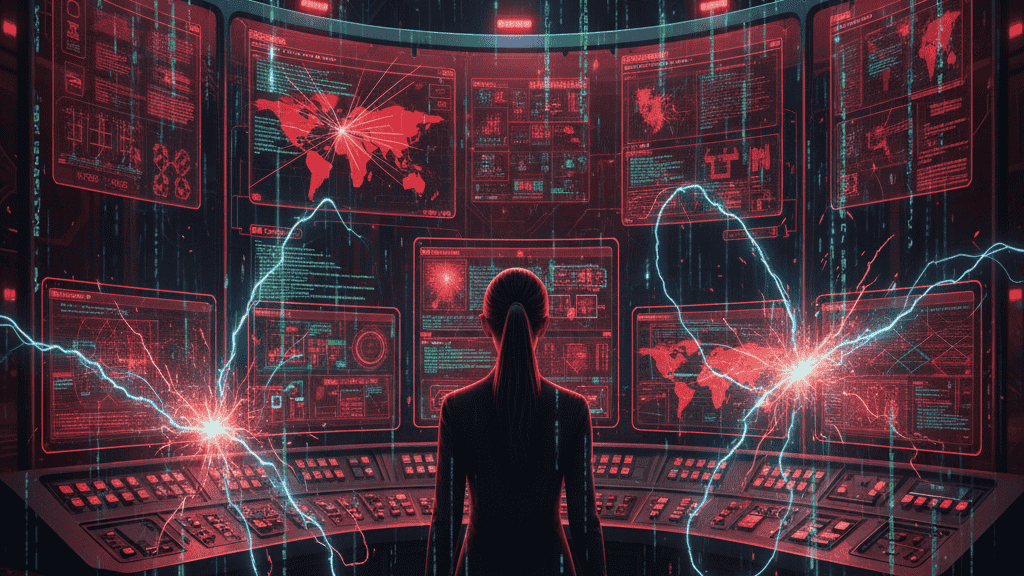
The Advantage Path: When Sarah embraced cyber-nuclear security awareness…
- Digital Infrastructure Hardening: She learned that nuclear energy provides 10% of the world’s energy demand, meaning any disturbance creates local and national consequences. Understanding this criticality drove her to advocate for stronger protections.
- Threat Intelligence Monitoring: By tracking threat groups that accounted for 135 of 574 confirmed cyberattacks in a single week, Sarah’s organization stayed ahead of emerging attack vectors before they materialized.
- Regulatory Compliance Excellence: She implemented frameworks ensuring her clients met standards that provide high assurance against nuclear facility cyber threats.
- Legacy System Modernization: Sarah identified that outdated legacy systems without proper security updates created the most dangerous vulnerabilities. By prioritizing gradual system upgrades and implementing compensating controls for systems that couldn’t be immediately replaced, she closed critical gaps that attackers specifically target.
- Supply Chain Security Validation: She discovered that attacks don’t always come through the front door—compromised vendors and third-party contractors provide backdoor access. Sarah established strict vetting protocols for all suppliers with network access, requiring security audits and incident response agreements before granting any system privileges.
The Avoidance Path: When others ignored cyber attack nuclear power risks…
Organizations faced devastating consequences. Potential impacts include political damage, loss of public confidence, coercion of interests, environmental damage, economic damage, and casualties. One facility Sarah consulted for initially dismissed cyber attack nuclear power warnings—until they discovered unauthorized network access attempts that could have compromised safety systems.
The difference? Sarah’s path led to resilience. The avoidance path led to vulnerability, emergency response costs, and eroded public trust.
How Cyber Attack Nuclear Power Actually Impacts Your World in 2025
This isn’t just about power plants. Cyber attack nuclear power scenarios affect your daily life directly. When attackers target these facilities, they threaten the electrical grid powering your home, hospital, and business.
Politicians and tech giants now embrace nuclear energy to power AI infrastructure, making these facilities even more critical to modern technology. Your smartphone, smart home, and online services increasingly depend on this stable power source—which is why cyber attack nuclear power incidents have cascading effects.
The digital transformation of nuclear facilities creates new vulnerabilities. Entry points include inadequate IT infrastructure maintenance, missing patches and updates, unsafe working practices like connection to unprotected networks, use of portable storage devices, legacy systems, and inadequate data protection. These aren’t theoretical—they’re documented weaknesses that enable cyber attack nuclear power scenarios attackers actively exploit.
Your 5-Step Action Plan: Mastering Cyber Attack Nuclear Power Protection
1. Cyber Attack Nuclear Power Foundation: Understand the Threat Landscape
Start by recognizing that cyber attack nuclear power scenarios have evolved beyond physical barriers. Modern threats are digital, persistent, and increasingly sophisticated.
Expert stakeholders now develop forward-looking approaches and guidelines to protect nuclear facilities from cyber attack nuclear power threats through significant studies assessing cybersecurity practices and offering improvement recommendations.
Your role? Stay informed about emerging threats through reliable sources like the Nuclear Regulatory Commission and industry security bulletins.
2. Digital Resilience Implementation: Build Layered Defenses
Nuclear infrastructure cyber defense requires multiple security layers. Think of it like your home security—you don’t rely on just one lock.
Each nuclear power plant’s cyber security program protects digital computer and communication systems against cyber attacks, including safety-related functions, important-to-safety systems, and support systems.
If you work in energy infrastructure, advocate for network segmentation, air-gapping critical systems, and continuous monitoring. If you’re a concerned citizen, support policies funding these protections.
3. Critical Infrastructure Monitoring: Detect Before Disaster
Real-time threat detection separates compromised facilities from protected ones. Cyber attack nuclear power threats move fast—your defenses must move faster.
Deploy intrusion detection systems, maintain updated threat intelligence feeds, and conduct regular vulnerability assessments. Sarah’s organization now runs quarterly penetration tests specifically designed for industrial control systems to identify cyber attack nuclear power vulnerabilities.
4. Human Factor Fortification: Train Your Team
Technology alone won’t save you. Unsafe working practices create vulnerabilities that provide attack vectors for hostile actors.
Implement mandatory cybersecurity awareness training for all personnel with system access. Create clear protocols for reporting suspicious activity. Make security everyone’s responsibility, not just IT’s job.
5. Incident Response Readiness: Plan for the Worst
Hope for the best, but prepare for cyber attack nuclear power breach scenarios. Your nuclear facility cybersecurity plan must include immediate response protocols.
Develop documented incident response procedures, conduct regular drills, establish clear communication chains, and maintain relationships with cybersecurity incident response teams and federal agencies. When cyber attack nuclear power incidents occur and seconds count, you can’t afford to improvise.
Frequently Asked Questions About Cyber Attack Nuclear Power
What makes nuclear power plants vulnerable to cyber attacks in 2025?
Vulnerabilities include inadequate IT infrastructure maintenance, missing patches and updates, connection to unprotected networks, use of portable storage devices, legacy systems, and inadequate data protection. Modern nuclear facilities digitalize operations for efficiency, but this connectivity creates new attack surfaces that determined adversaries can exploit through sophisticated malware, phishing campaigns, and supply chain compromises.
Can a cyber attack on nuclear power plants cause a radiation disaster?
While safety systems have multiple redundancies, the risk isn’t zero. A successful cyber attack nuclear power incident with substantial consequences would undermine global public confidence in the viability of nuclear power. Consequences include political damage, loss of confidence, coercion, environmental damage, economic damage, and potential casualties. Modern reactors have physical fail-safes, but compromised control systems could disrupt cooling operations or safety monitoring during a cyber attack nuclear power event.
How are governments protecting nuclear facilities from cyber threats?
Regulatory bodies mandate comprehensive protection. Nuclear power plants must have cyber security programs protecting digital computer and communication systems against cyber attacks, covering safety-related functions, important-to-safety systems, and support systems. Experts work with stakeholders to develop forward-looking approaches and guidelines, producing significant studies assessing cybersecurity practices at nuclear facilities and offering improvement recommendations. The U.S. Nuclear Regulatory Commission requires detailed cybersecurity plans from all licensed facilities.
The Verdict: Why Cyber Attack Nuclear Power Matters More in 2025
Sarah’s journey from uncertainty to understanding mirrors what you need to do today. The cyber-nuclear security landscape has transformed dramatically, with cyber attack nuclear power threats increasing in frequency and sophistication.
You can’t afford to remain on the sidelines. Whether you’re an energy professional, policymaker, or concerned citizen, understanding cyber attack nuclear power risks helps you make informed decisions about energy security, emergency preparedness, and infrastructure investment.
The attackers are organized, well-funded, and persistent. But defense is possible with the right knowledge, tools, and commitment. Sarah’s organization now leads regional cybersecurity initiatives, sharing lessons learned and building collective resilience.
Your next step? Share this information with your network. Advocate for robust cybersecurity funding in energy infrastructure. Support policies requiring transparency about cyber incidents. Most importantly, stay informed as threats evolve.
The future of reliable, clean energy depends on protecting these critical facilities from digital threats. You now have the knowledge to be part of the solution.
Essential Resource: For deeper insights into nuclear facility cybersecurity threats and international perspectives, check out the comprehensive analysis at Chatham House’s Cybersecurity of the Civil Nuclear Sector report at https://www.chathamhouse.org/2024/07/cybersecurity-civil-nuclear-sector/2-threats-and-risks-civil-nuclear-infrastructure
To read more news about cybersecurity click here