
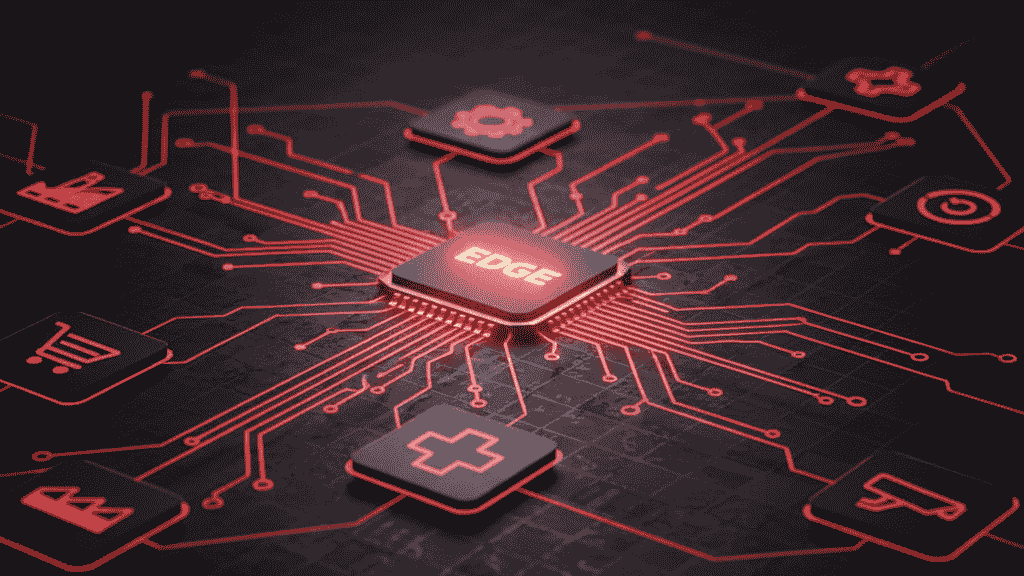
In a bold move reshaping enterprise infrastructure, Intel and Cisco have unveiled a new generation of systems purpose-built for AI at the edge. The partnership combines Cisco’s networking and security expertise with Intel’s latest Xeon 6 processors, enabling organizations to run advanced AI workloads directly where data is generated — whether in retail stores, manufacturing floors, hospitals, or remote offices.
This collaboration aims to reduce latency, enhance security, and deliver real-time insights without the need to rely solely on centralized cloud data centers.
The Launch: Cisco Unified Edge Platform
Cisco officially introduced its Unified Edge Platform, a modular infrastructure that integrates compute, storage, networking, and security into a single, deployable chassis.
At its core, the system is powered by Intel Xeon 6 SoCs, which provide exceptional energy efficiency and AI inference performance for distributed workloads.
Key Features Include:
- ⚙️ Modular Architecture: Supports CPU and GPU expansion to match specific workload demands.
- 🌐 High-Speed Networking: Built-in SD-WAN and 25G connectivity for seamless data transfer.
- 🔒 Zero-Trust Security: Hardware-level protection and encrypted data handling.
- ☁️ Centralized Management: Integration with Cisco’s Intersight cloud platform for unified monitoring, updates, and orchestration across multiple sites.
According to Cisco, this platform can reduce latency by over 60% compared to traditional cloud-based processing, a significant leap for real-time AI applications.
Why AI at the Edge Matters
As digital transformation accelerates, enterprises generate enormous volumes of data from IoT sensors, cameras, and devices. Running AI models locally, near the data source, provides several advantages:
- Low Latency: Real-time decisions for industrial automation, robotics, or autonomous systems.
- Data Sovereignty: Sensitive data stays local, improving privacy compliance.
- Reduced Bandwidth Costs: Less dependency on expensive cloud data transfers.
- Operational Continuity: Local AI inference continues even if network connectivity drops.
Cisco predicts that by 2026, over 75% of enterprise data will be processed outside traditional data centers — signaling a massive shift toward decentralized AI infrastructures.
Real-World Use Cases
The Intel–Cisco edge AI systems are designed for a variety of industries and environments, such as:
- 🏪 Retail: Real-time customer analytics, smart checkout systems, and loss prevention.
- 🏭 Manufacturing: Predictive maintenance and robotic vision for production optimization.
- 🏥 Healthcare: Privacy-first AI diagnostics, imaging, and patient monitoring.
- 🏢 Smart Offices: AI-powered security cameras and energy-efficient building management.
The Strategic Impact
This partnership signals a strategic evolution in enterprise IT. For years, AI has been confined to massive data centers run by hyperscalers like Amazon, Google, and Microsoft. Now, Intel and Cisco are democratizing AI capabilities, empowering businesses to bring intelligence closer to their operations.
From an investment perspective, this move could benefit companies specializing in edge computing, AI hardware, and hybrid cloud ecosystems, as enterprise spending pivots from centralized to distributed architectures.
Future Outlook
Intel’s Xeon 6 SoC roadmap shows continued focus on power efficiency and AI acceleration. Cisco plans to expand its Unified Edge ecosystem through collaborations with software vendors and AI framework developers, ensuring smooth integration with existing enterprise workflows.
Experts predict that edge AI could become a $100+ billion market by 2030, driven by the exponential growth of connected devices and the need for real-time intelligence across industries.
FAQs
1. What is “AI at the edge”?
AI at the edge refers to running artificial intelligence models locally on devices or servers close to where data is created, rather than relying on distant cloud data centers.
2. Why did Cisco and Intel partner for this initiative?
Intel brings advanced processors (Xeon 6), while Cisco contributes secure networking, management, and deployment infrastructure — creating a unified system optimized for distributed AI workloads.
3. What are the benefits of edge AI for enterprises?
It reduces latency, enhances privacy, cuts bandwidth costs, and ensures business continuity even with limited internet connectivity.
4. When will these new systems be available?
Cisco’s Unified Edge Platform powered by Intel Xeon 6 is available for pre-order now and expected to be fully available by the end of 2025.
5. Which industries will benefit most?
Retail, manufacturing, healthcare, energy, and logistics sectors stand to gain the most from edge AI due to their real-time data needs.
Conclusion
The launch of Intel and Cisco’s Unified Edge AI systems marks a turning point for how organizations deploy and manage AI. By combining compute, networking, and security into one distributed platform, this partnership empowers enterprises to bring intelligence directly to the edge — unlocking faster, safer, and more efficient operations.
As the world moves beyond cloud-only models, AI at the edge could become the next big leap in computing evolution.
You can also read more about this subject in intel newsroom
To read more news about technology click here
And to read more about AI click here